
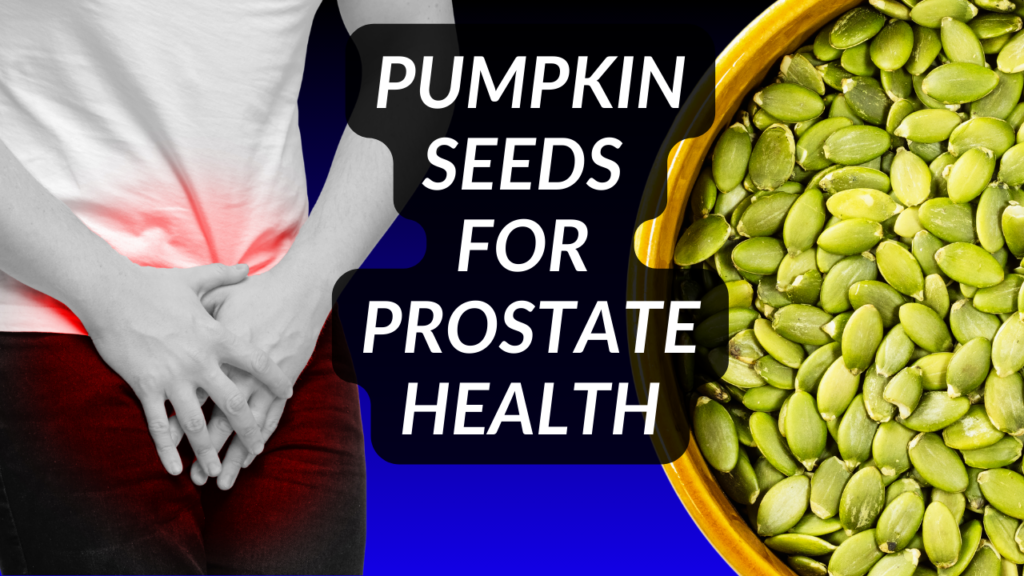
Prostate health is a growing concern for men as they age, particularly after the age of 40. While medical evaluation remains essential for prostate-related conditions, research suggests that specific dietary choices may play a supportive role in maintaining normal prostate function. Among these, pumpkin seeds (Cucurbita pepo) have gained attention for their nutrient profile and potential benefits for prostate and urinary health.
The Importance of Prostate Health in Aging Men
The prostate gland plays a central role in male reproductive and urinary function. Age-related changes in the prostate are common, with many men experiencing benign prostatic hyperplasia (BPH), characterized by prostate enlargement and lower urinary tract symptoms such as increased urinary frequency, nocturia, and reduced urine flow.
Dietary patterns rich in anti-inflammatory nutrients, antioxidants, and essential minerals have been associated with improved prostate health outcomes. Nutritional strategies are increasingly recognized as a complementary approach alongside medical management.
Nutritional Properties of Pumpkin Seeds Relevant to Prostate Function
Pumpkin seeds are a concentrated source of zinc, a mineral essential for prostate tissue integrity and hormone regulation. The prostate contains higher zinc levels than most other organs, and reduced zinc concentrations have been observed in prostate disorders.
In addition, pumpkin seeds contain phytosterols, plant-derived compounds that may help support normal prostate size by influencing androgen metabolism. Their antioxidant and anti-inflammatory components further contribute to reducing oxidative stress, a known factor in prostate tissue inflammation and age-related dysfunction.
Potential Benefits of Pumpkin Seeds for Prostate and Urinary Health
Regular inclusion of pumpkin seeds as part of a balanced diet may provide the following supportive benefits:
- Promotion of normal urinary flow
- Support for healthy prostate size
- Reduction of inflammatory activity within prostate tissue
- Contribution to hormonal balance, including testosterone metabolism
- Overall support for male metabolic and reproductive health
While pumpkin seeds are not a treatment for prostate disease, they may serve as a valuable nutritional adjunct for long-term prostate wellness.
Recommended Intake and Consumption Methods
Clinical nutrition guidelines suggest consuming 1–2 tablespoons of pumpkin seeds daily as part of a varied, nutrient-dense diet. They may be consumed:
- Raw or dry-roasted (without added salt)
- Incorporated into meals such as salads, yogurt, or smoothies
- In the form of cold-pressed pumpkin seed oil, which is commonly used in dietary supplements targeting prostate and urinary health
Safety and Dietary Considerations
Pumpkin seeds are generally well tolerated when consumed in moderate amounts. To maximize benefits, choose unsalted and minimally processed varieties. Excessive intake offers no additional advantage and may increase caloric intake unnecessarily. Consistency over time is more beneficial than high, irregular consumption.
Men experiencing persistent urinary symptoms or prostate-related concerns should seek evaluation from a qualified healthcare professional.